The Story
Collectibles ≠ One Audience
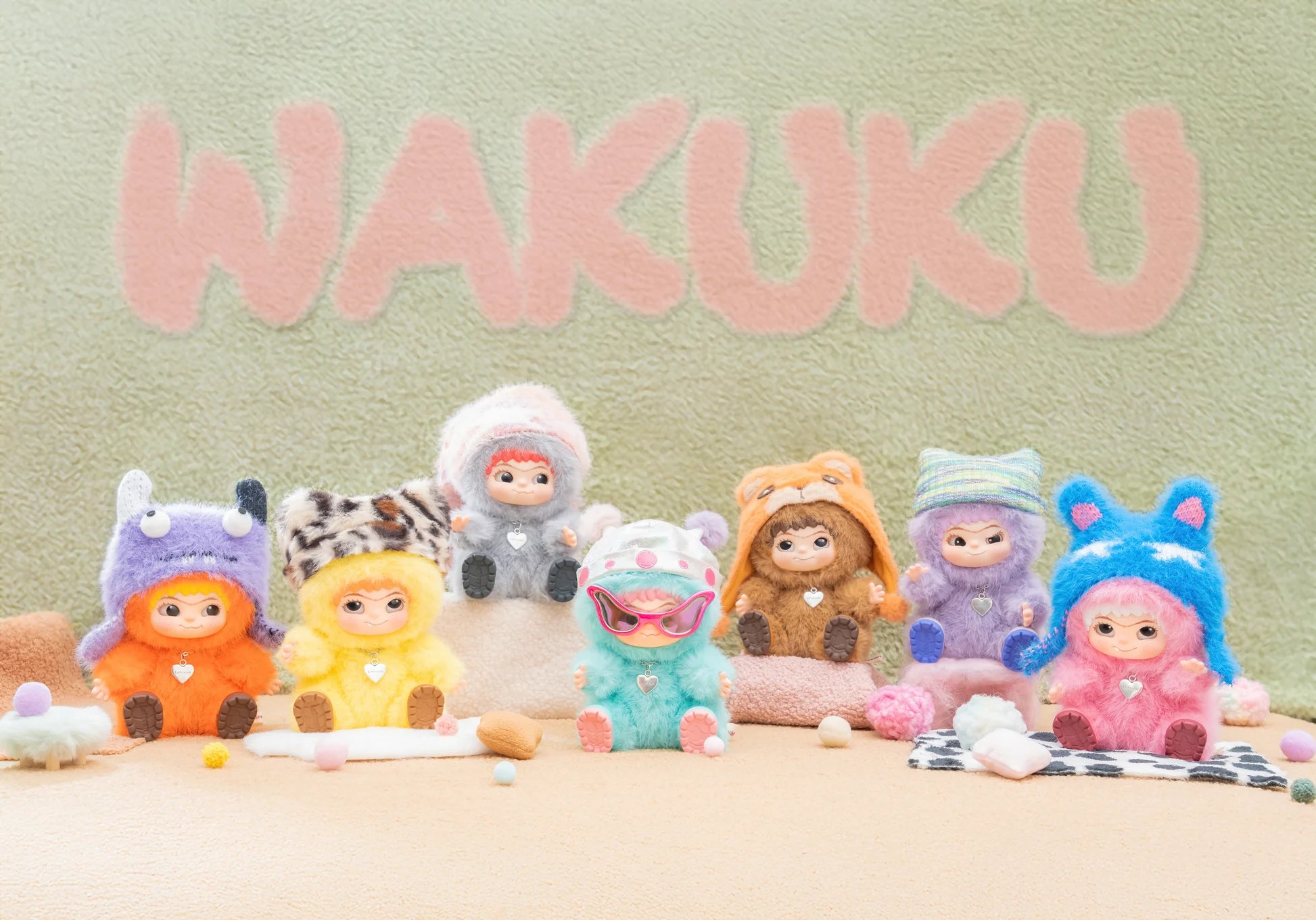
While blind box collectibles are often grouped into a single category, the reality is a market of dozens of distinct consumer communities with very different motivations. Some view collectibles as fashion accessories and self-expression. Others are gamers chasing rare items. Some are drawn to cute aesthetics and character storytelling, while others see collectibles as home decor that shapes a lifestyle.
As Wakuku prepared for its U.S. launch through MINISO stores nationwide, the team faced a critical question: which audience should they prioritize? Targeting too broadly would dilute marketing efficiency, while targeting the wrong audience could significantly limit retail sell-through. They needed to understand not only who would buy Wakuku, but why.
The strongest audience wasn't traditional collectors — it was young women driven by lifestyle and self-expression, not category assumptions.
The Solution
Audience Simulation Before Launch
Wakuku partnered with Chimeboard to simulate consumer behavior across thousands of AI-generated U.S. consumer personas. The team analyzed five leading competitors in the collectibles and blind box space, evaluating how different audience segments responded to character styles, marketing messages, creators, and campaign concepts.
Chimeboard tested launch strategies across audiences including blind box collectors, anime and gaming communities, fashion and beauty enthusiasts, home decor consumers, Gen Z trend followers, and designer toy collectors — surfacing which segments were most likely to convert into retail purchases.
Simulations revealed that messaging centered on self-expression, room styling, gifting, and emotional connection outperformed rarity and collection-completion messaging — shifting Wakuku's entire launch positioning before a single dollar was spent in stores.
The Results
Before Chimeboard
- Unclear which audience to prioritize for U.S. launch
- Product positioned primarily as a collectible toy
- Rarity messaging assumed to drive purchase intent
After Chimeboard
- +10% increase in in-store product sales
- Lifestyle-driven content and aesthetic storytelling
- Marketing based on consumer identity, not category
Chimeboard helped us understand why people buy — not just who might. We launched with confidence because we already knew which audiences would convert in stores.
Products used
Audience Simulation
Tested launch strategies across thousands of AI-generated consumer personas before spending on creators or retail campaigns.
Competitive Intelligence
Analyzed five leading collectibles brands to decode how different audience segments respond to character styles and messaging.
Campaign Simulation
Predicted purchase intent across blind box collectors, lifestyle enthusiasts, and more — revealing the highest-converting segments.


© Copyright 2026 Chimeboard. All rights reserved.